Check out our blog to learn more about how you can save money, plus other tips to help maintain your windows, doors, siding and roofing.

January 8, 2026
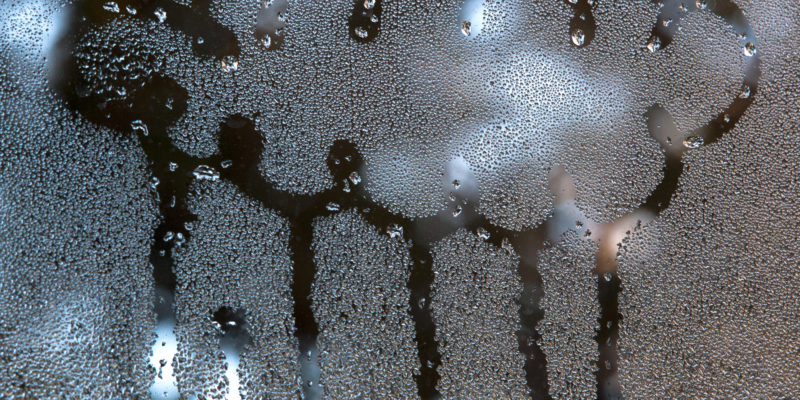
One of the most common service requests we receive is related to humidity issues that are often preventable. Homeowners may find condensation or frost buildup on the inside of their windows and doors, and assume there is air leakage or seal failures. Our service team is often able to identify the root cause as excess indoor humidity, so let’s dive into how we can prevent this from happening!
You may be thinking, how is high humidity an issue in Calgary? On average, our relative humidity generally ranges from 45% in the hot, drier summer months to 70% in winter. Compared to our neighbours in British Columbia, like Vancouver often reaching 88% humidity in their winter months. One would think that moisture related concerns would not be an issue for YYC residents.
Well, the humidity in question, is not outdoor related, and is in fact coming from inside your home! Moisture is continually being released inside your house, 10 to 50 litres everyday. When we have our heating on and windows and doors closed, 2,000 to 10,000 litres of moisture can be trapped over the winter months. Daily activities like showering, cooking, doing laundry, and breathing contribute to the overall moisture released. On top of that, plumbing leaks, damp crawlspaces, and construction materials all release moisture. Add in humidifiers, aquariums, pets, house plants and even stored firewood and you’re looking at several common culprits.
When that warm, moist air meets our cold windows and doors, the moisture condenses, and the frost build up is a prime, visible example. Identifying the signs and probable causes of moisture in your residence is important not only for windows and doors, but to prevent rot damage and mold overall. Many of these household problems can be solved with a few simple strategies.
· If you have a built-in humidifier with your furnace, check that it isn’t set too high.
· Utilize exhaust fans in your bathrooms and kitchen to ensure proper ventilation.
· Fix plumbing leaks immediately.
· Use lids when boiling water or cooking.
· Ensure proper heat and air circulation throughout your home by keeping interior doors open, and heating registers unobstructed.
· Use air conditioning & dehumidifier especially in damp basements or crawlspaces. (AC removes moisture as it cools, dehumidifiers directly extract it).
· Store building materials and firewood outside. (A cord of wood stored in your home, can release more than 270 litres of moisture!).
· Keep walls and ceilings warm through adequate insulation.
· Consider upgrading your windows and doors, with leakproof, energy efficient options.
· A relative humidity sensor called a Hygrometer can be purchased at your local hardware or building supply store. This can measure the moisture levels, which in very cold weather (-30) should be 15% or lower and not exceed 25% (-12) to prevent window condensation.
If you’re noticing ongoing condensation or frost on your windows, it may be time to take a closer look at your home’s humidity levels—or the performance of your windows and doors. Our team is always happy to help assess the situation and recommend the best solution for your home. Protect your house, protect your health, and stay comfortable year-round.